Tradelands Recession Update – June 2026
June saw $889.9 Million in market activity, making it one of the worst performances for June in Tradelands history. There are multiple reasons for this that go beyond just the recession, but this means the market fell -43.5% last month. In other words, we are likely at the valley of the recession, with the drop off shallowing by 1.4%. Still, we are in the red, which means the economy is still shrinking overall. One of the main reasons for this drop off is the decision to move the Summer Crate release to July. In the past, the summer release often hit at the end of June, allowing for some recovery from the poor performances of April and May. That means we might be teed up have a successful July, and perhaps even a recovery from the ongoing recession.
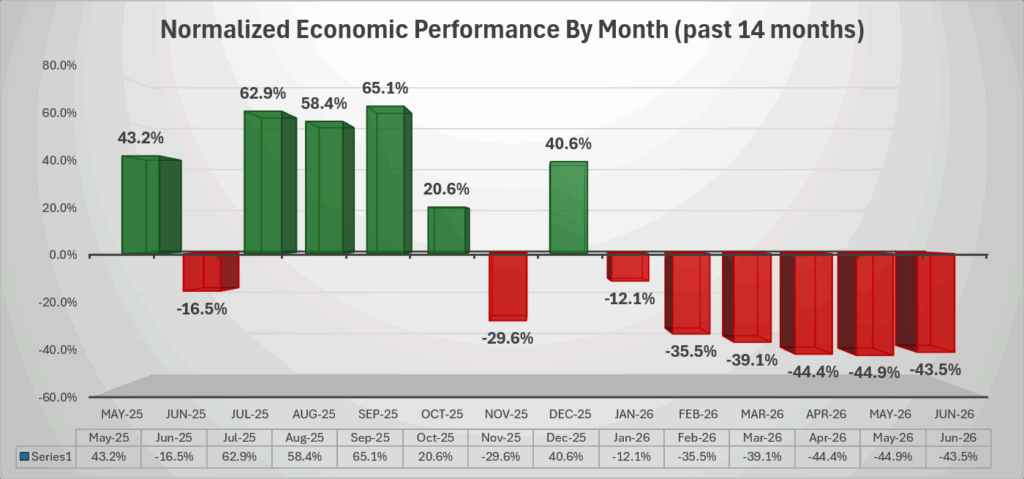
That said, it’s important to put into perspective how bad June was for the economy. The last time the market performed worse than what we saw in June was February 2026 which had $845.6 in market activity. Beyond that, the last time the market performed lower than it did in June was September of 2024, meaning over 21 months ago (1 year and 8 months) to see a performance this poor. In fact, if look at where the economy looks this year, it looks like it did two years ago, prior to the inflation and market growth that occurred since. It’s an ominous sign suggesting the game is not growing. But the real reason is that the economy of the game is not the same anymore. To say it more directly, the player led economic factors are slowly eroding, with economics based on game mechanics now.
All Indexes are Down
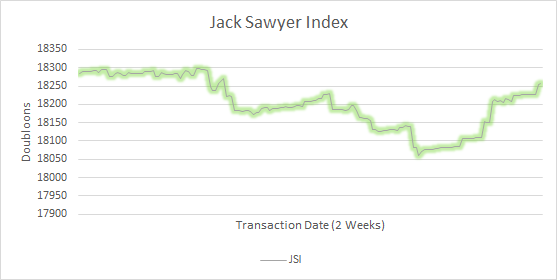
When market performance is down, typically it means some of the stock indexes are up. The reason is that players have a tendency to place sell prices arbitrarily on items where no one is buying them, to see if they can set market prices for when demand does return. However, this didn’t happen in June, and we saw losses on all three primary indexes, reflecting a drop in prices being set by players in the lead up to the Summer Crate release.
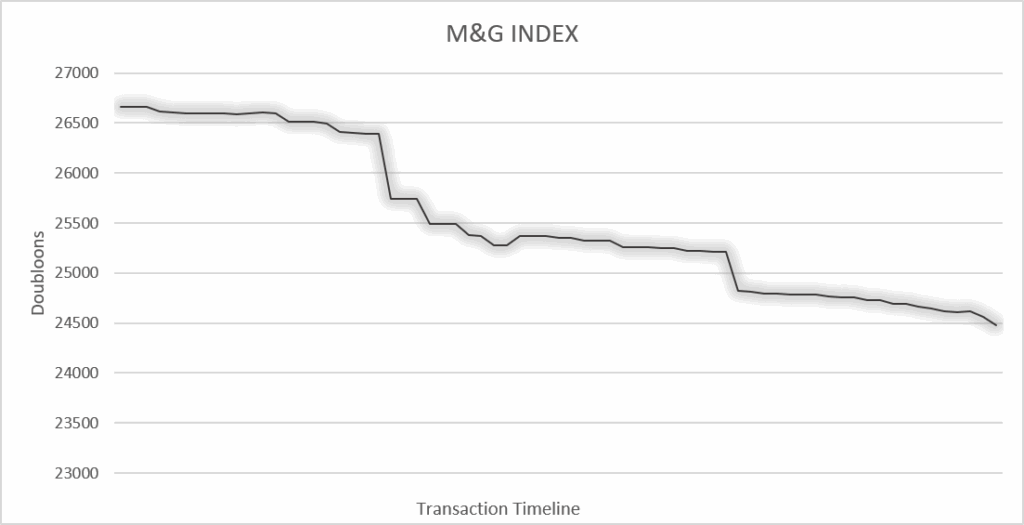
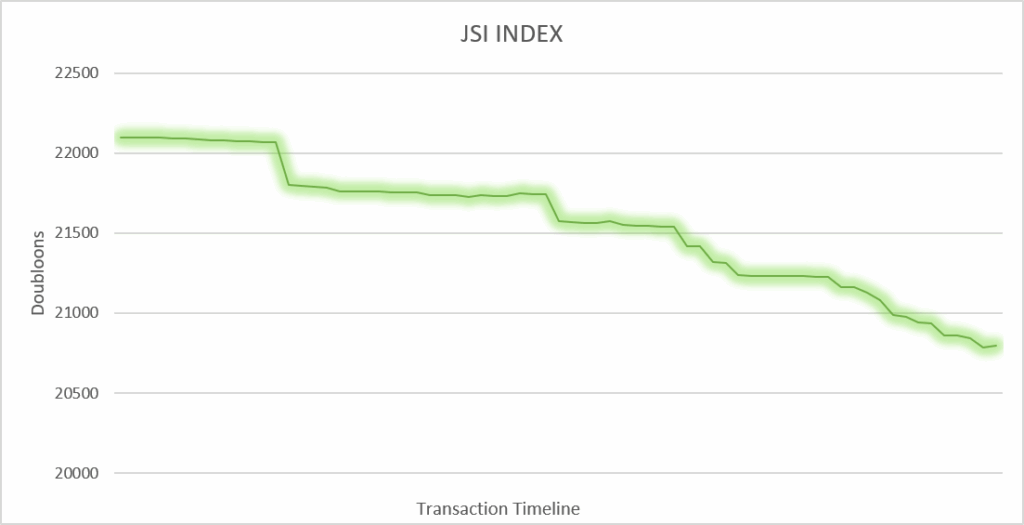
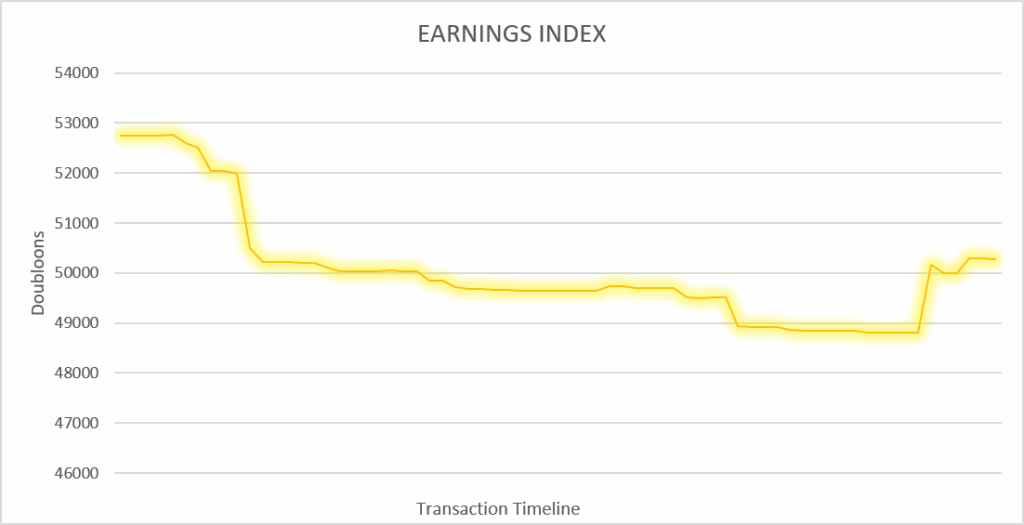
This means prices have fallen average of -5.87% across all items in the game. There are some high volume items that are maintaining higher price points, mainly Iron, but this trend reflects that traders are recognizing the overall lack of demand and are reducing prices in order to bring back interested buyers to the market. However, the impact this will have long-term is likely minimal, as the pending summer release is going to have an impact on prices that will trump anything happening in June.
Eobloxium Undercutting
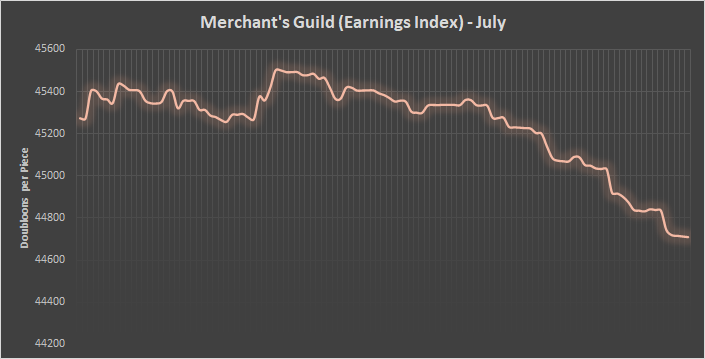
Last month, we reported a monopoly had begun with Eobloxium. As we also mentioned, once an announcement like that is made, there tends to be a market trend where players try to undercut the monopoly in order to either break it up or solidify it. This month, we are already seeing an attempt to undercut the current price setter.
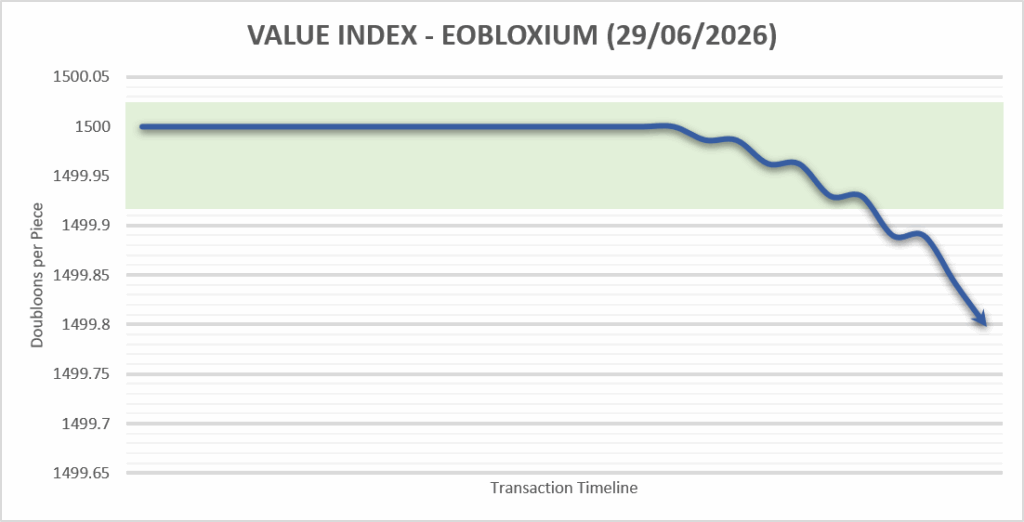
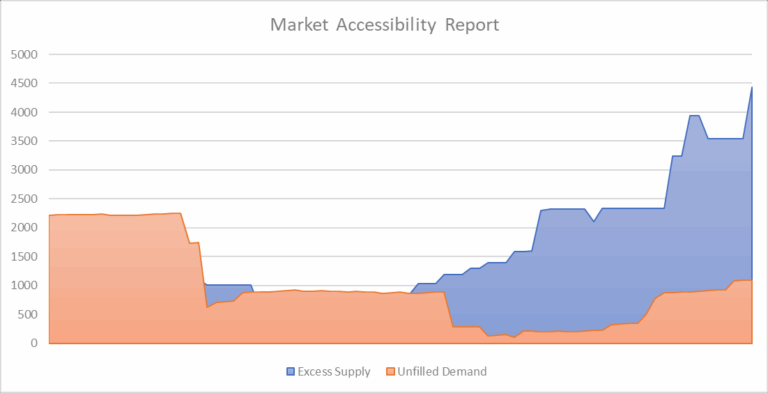
The minimal price corrections occurring means players are likely trying to profit from the current price point rather than undercut. This is due to the low amount of price drops. The up and down shifts are due to the influence of the existing market setter keeping prices closer to their original point and is healthy for this kind of market behavior. However, there is at least one small time seller trying to bring prices to under $1k per piece, but they do not yet have the volume of the material needed to offset the existing market leaders.
Fall of Iron
The fall of Iron prices is on the horizon. We have been predicting this since November 2025 when the first inflation started to occur. It was only a matter of time before the inventory of items trumped the attempts to price set. It bears repeating, because we’ve seen it so many times before, that high volume indexes are incredibly hard to price fix. This is because the number of players who can influence it require a player (or group of players colluding) to have more inventory than the Market Capitalization of the whole index.
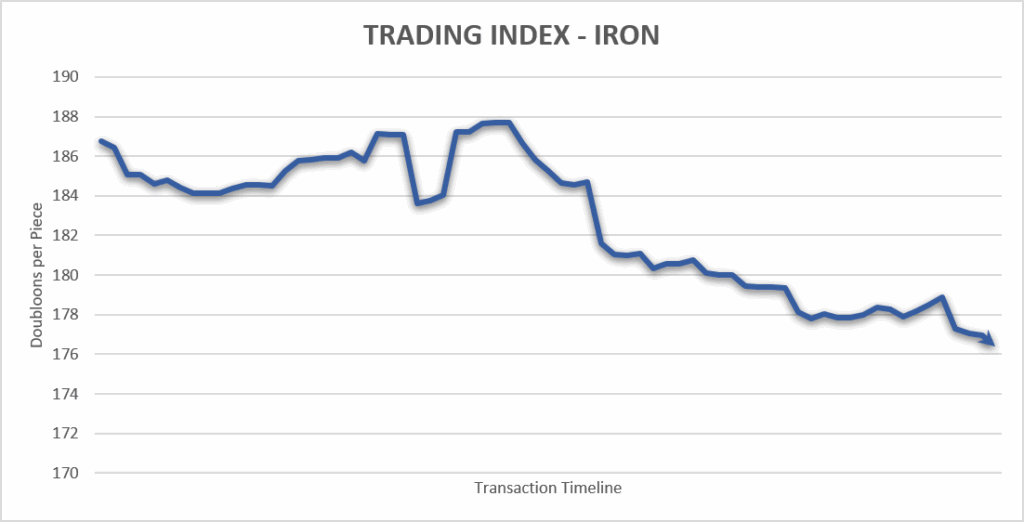
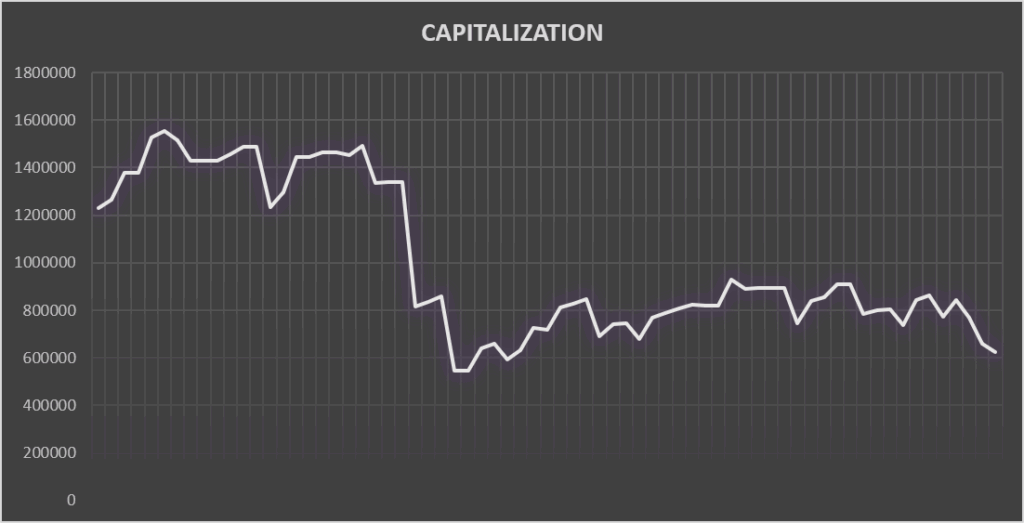
Despite this, the buying interest in Iron remains incredibly low. This is because iron is relatively easy to collect and players would rather get it themselves instead of paying others for it.
Mystery Crate Preliminary Pricing
In the lead-up to the upcoming release, we will do one final Mystery Crate price check. This market has become of the most interesting to track, because it has effectively replaced the market for crate weapons. At one point, crates traded at $40k per crate, and we’ve seen it rise as high at $100k. For the end of month price check, the average price for a crate is hovering at $75k per crate, which is a good place to be for the introduction of a new crate.
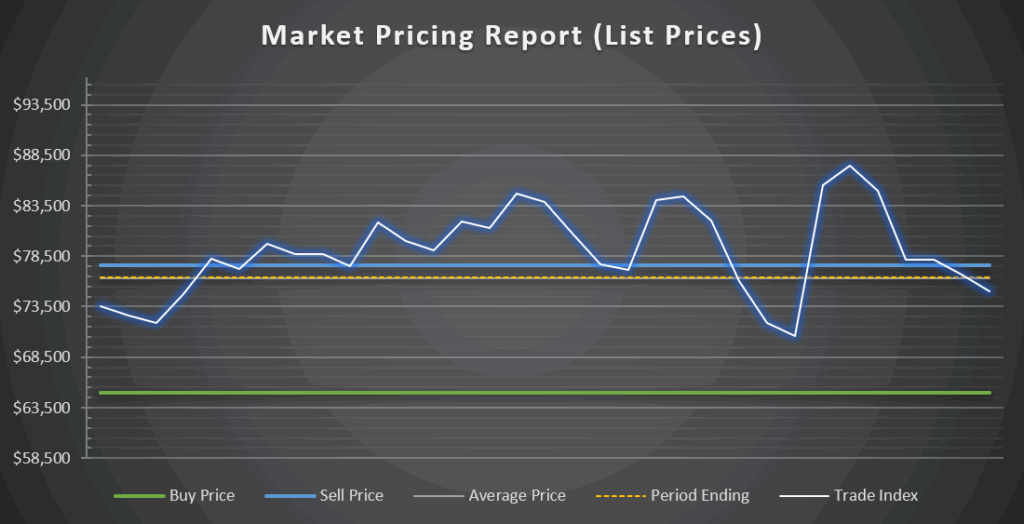
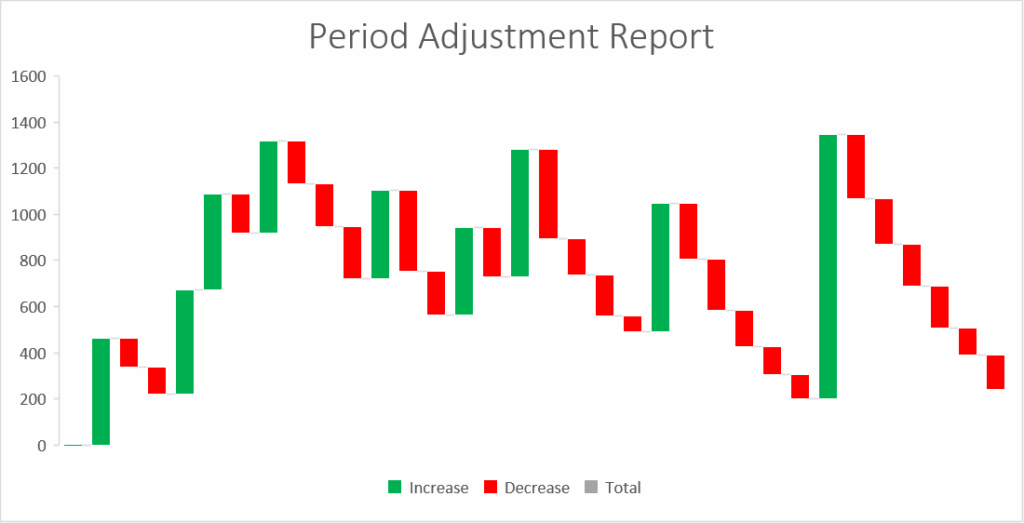
Typically, when new crates go on sale, you see a drop in the overall price, so starting at $75k tells us two things.
- Players are likely at a point where they are interested in spending more money on Mystery Crates. When you release crates too close back-to-back, you get a phenomenon known as market fatigue where players have exhausted their funding and do not want to purchase any additional items. This trend data suggests there is low market fatigue right now.
- There is room for crate prices to drop and still remain profitable. Whenever you have an influx of items to the market, prices tend to drop due to competitive availability. This is why prices typically drop while an item is on sale, one for prices to start correcting one they go off-sale. This is why older crates, especially profitable ones, tend to go up slightly in price versus newer crates. If the price point starts at $75k, there is a long runway for price drops.
Premium Tokens Reach $290 Per Piece
Premium Tokens fell below $300 per piece briefly before climbing back over $300 in the lead up to the summer release. This was due mainly to an increase in demand as soon as it fell below $290 per piece, indicating where the true price point probably lies for this item.
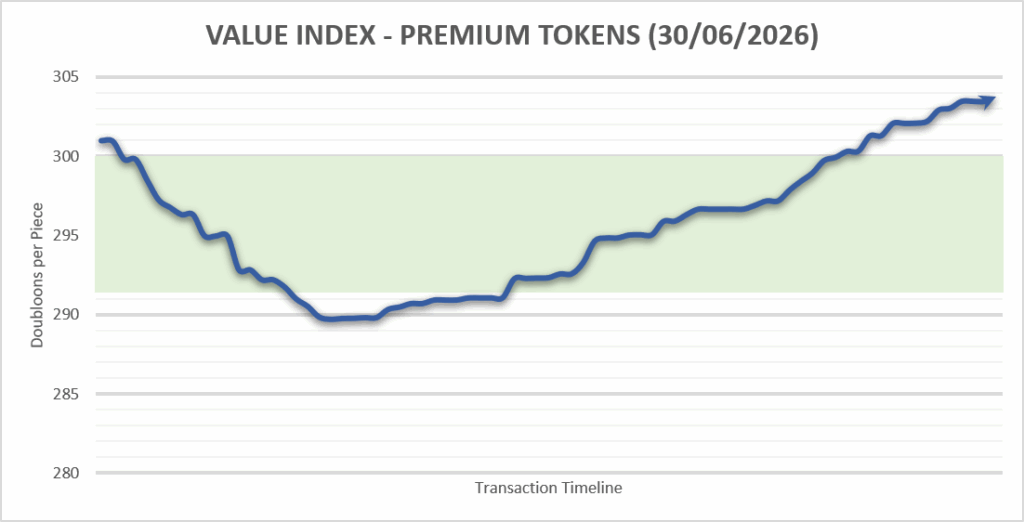
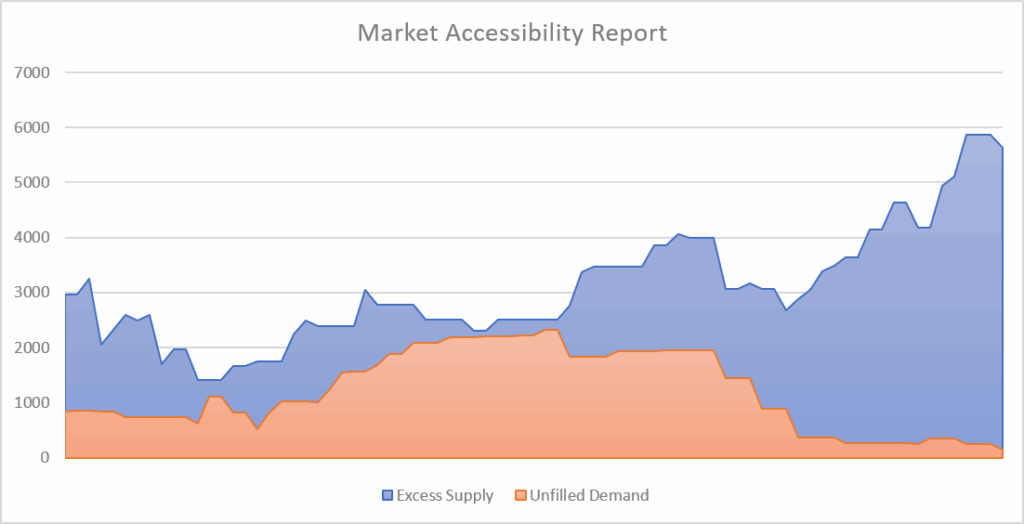
It’s hard to predict where Premium Tokens will go next month. It will depend on the success or failure of crates and if any non-crate items are added to the game. Still, the increase in demand was immediate as soon as it hit $290 per piece, and fell again as soon as it rose back to $300 per piece. This is probably the reason why the overall demand in the market remains so low, because prices are so high. It also shows that the market mechanics do in fact work when it comes to predicting where prices should actually be.